
Reflections of a Pantarei Approach Practitioner
This is where I reflect on the intersections between Pantarei Approach practice and daily life living in Berlin. You'll find thoughts on what it means to listen through touch, observations from my practice doing somatic bodywork, and other reflections on life. These writings move between the professional and personal, much like the somatic work itself.
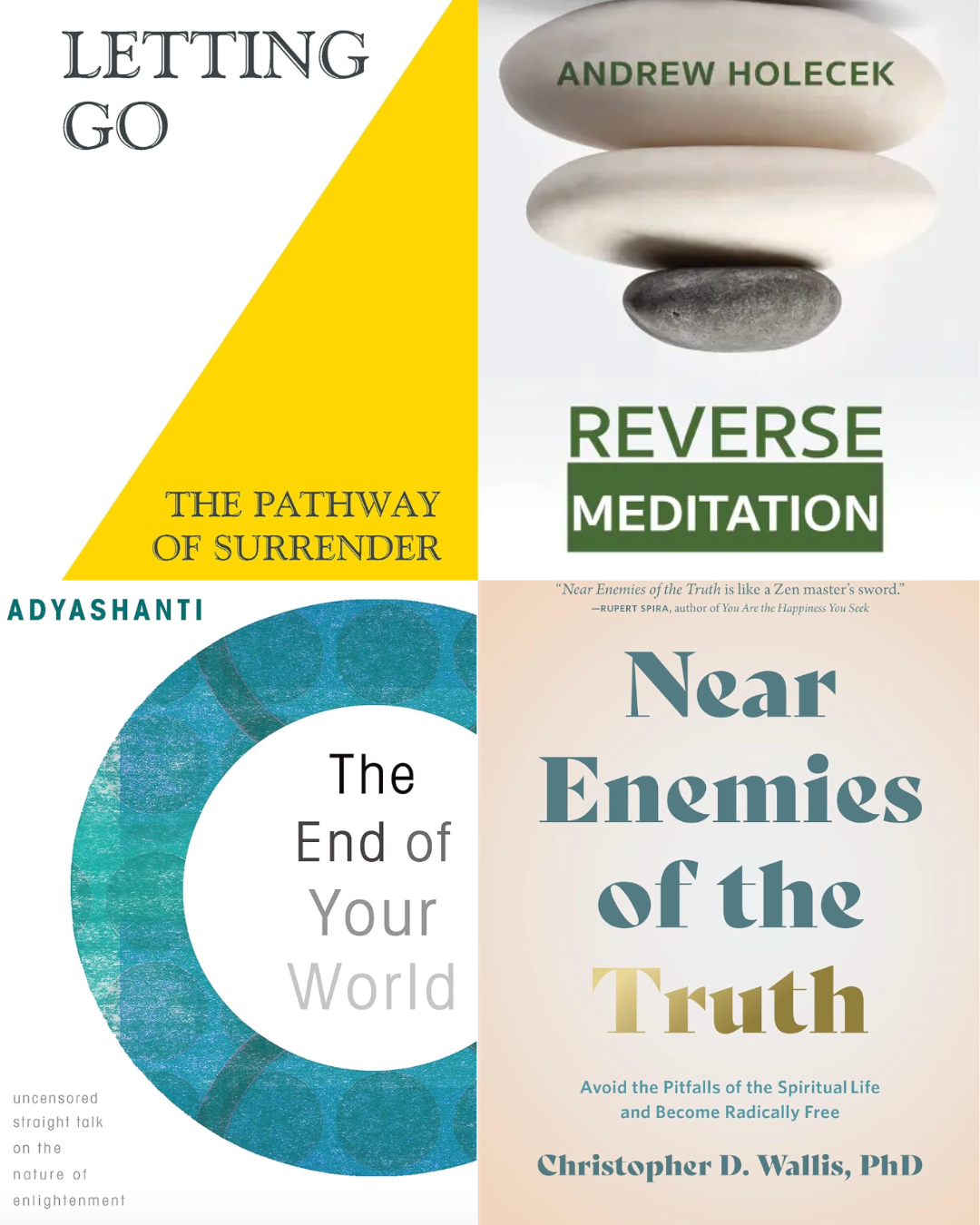
Books That Shaped My Somatic Practice: Meditation and Nondual Teachings
This is the first in a series of posts sharing books that have shaped my thinking. This part starts with my roots: the concepts I encountered through meditation and nondual tantric teachings before I trained as a somatic practitioner..
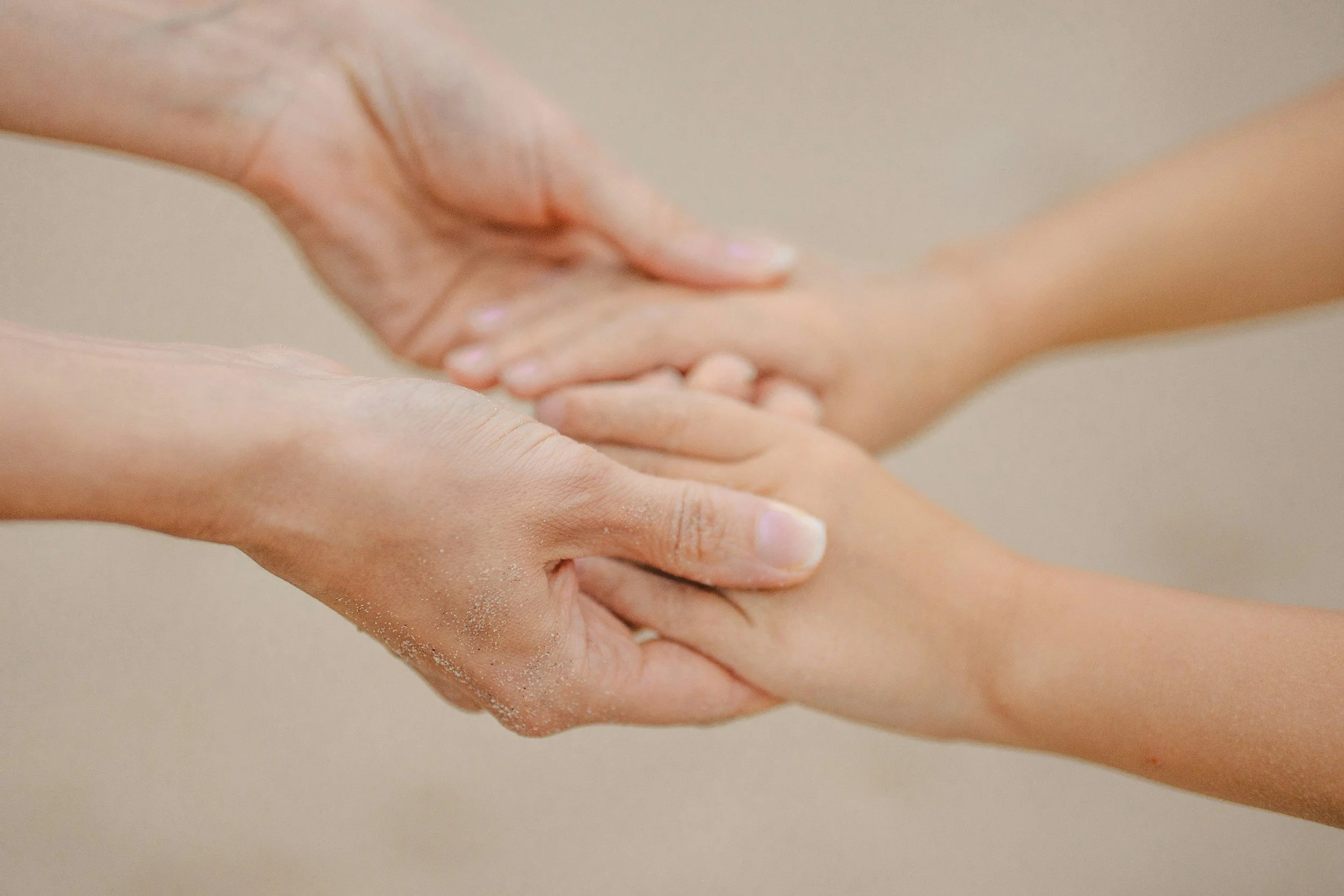
The Science of Touch: Why Human Contact Matters for Your Nervous System
Touch is the first sense to develop. Long before language or explicit memory, the developing nervous system is already responding to touch. Touch receptors begin forming around eight weeks of gestation, first around the lips and nose, then the palms and soles, and gradually across the rest of the body. We arrive into the world already fluent in this language.

Shoulder Tension and Emotions: A Somatic Bodywork Perspective
When I work with people on the table and make contact with the tension held here, people very often have a visceral image arise of armor. The shoulder girdle is implicated in how the body learns to suppress feeling, particularly around breath. When we brace against something emotionally, the breath shortens and the muscles of the upper back contract, restricting the lungs from fully expanding.
7 Nervous System and Mindfulness Practices that actually work
I like to think of mindful practice as running an experiment on yourself. The only person who can tell if something has an impact on your experience of life is you, and while the practices I'm sharing here are generally scientifically backed and have worked for me personally, your mileage may vary. These practices also don't work overnight…

Why Nature is a Powerful Resource during Somatic Sessions
I don't know that I can talk about nature without talking about Thailand. Outside of Bangkok's concrete jungle, Thailand is extraordinarily alive, rich in sunlight, water, and jungle, an ecosystem teeming with life, and oceans equally so. It was only when I left that I had the embodied feeling for the first time that places are people.

Why Somatic Sessions Aren't Always About Going Deep
Maybe because I carried a lot of sadness with me since I was a child, and in my own somatic process I had to meet a deep well of grief over and over again, I always assumed I’d be the serious kind of practitioner. That every session would be a deep dive into loss, unworthiness, and the heavier territories of being human. What I’ve found instead is how often I laugh during sessions…

What Happens When You Include the Body in the Conversation
When a session shifts from dialogue into bodywork, there is usually something showing up in the body. Whether the conversation has been about a tension with a coworker, a new relationship showing early warning signs, or one that’s going really well, the body offers its own form of information. This is what embodied cognition points to: the idea that the body itself is a site of knowing.
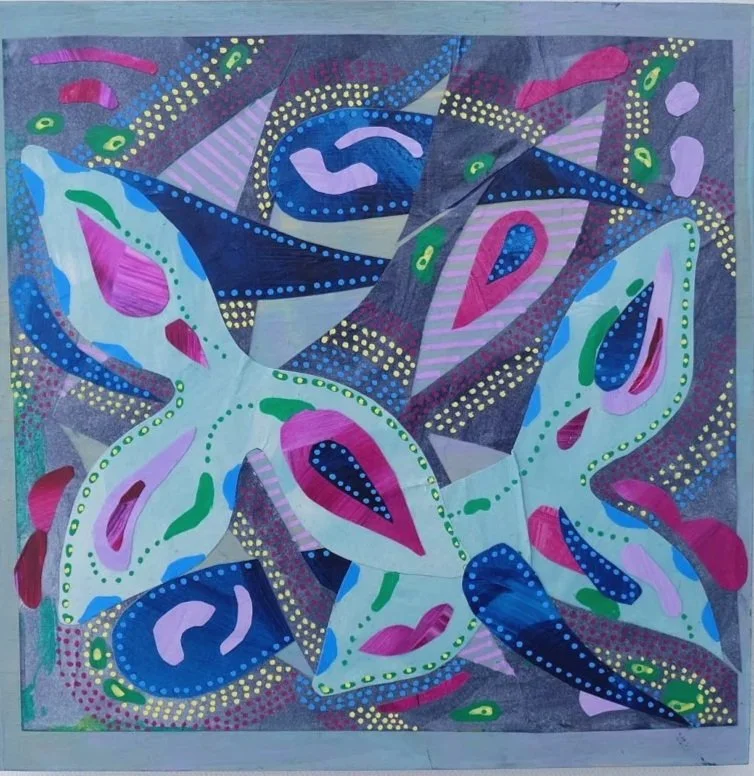
What Abstract Painting and Somatic Bodywork Have in Common
What I've found through both art and somatic work is that the ways we learn to manage and control ourselves make complete sense when we develop them. We build those structures to protect ourselves, to avoid making mistakes that once felt too significant to risk. But when the conditions feel safe enough, those structures can soften on their own. We can start taking risks, speaking a little more freely…
Working at the Edge: A Somatic Approach to Trauma
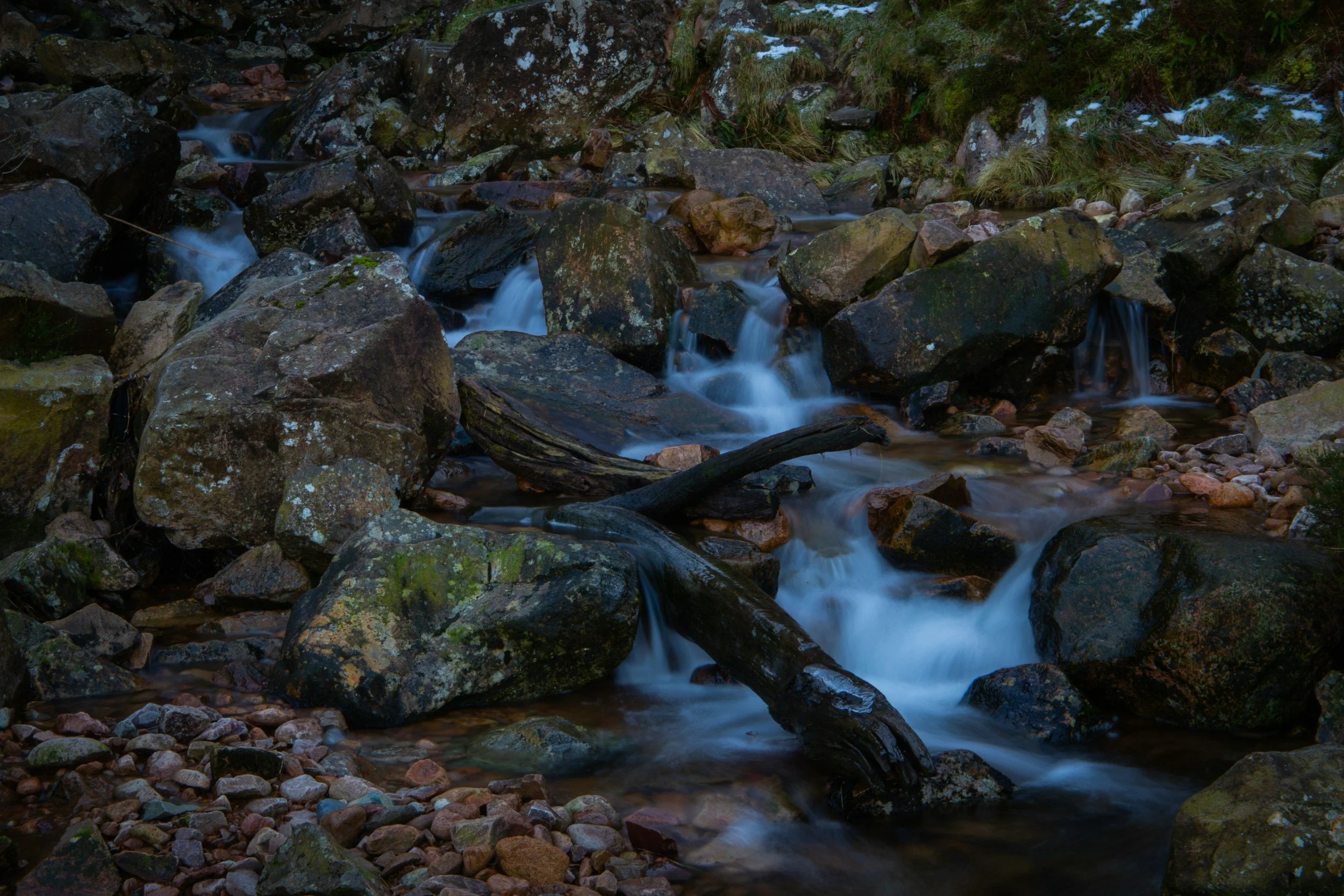
I often describe somatic work as a continual process of exploring edges. The aim isn’t to dive directly into the depths of one’s trauma, but to locate the most accessible edge of it and see if we can meet it with curiosity rather than force. This is why I keep returning to the image of breath as water moving over rocks. Water can’t penetrate stone, but it can surround it completely, tracing its form, its weight, its place in the stream.
The Pantarei Approach to Emotion
Pantarei is Greek for “everything flows,” and this is what the approach points to. Unexpressed feelings don’t disappear. They accumulate as downstream challenges across the mental, social, and physical dimensions of the body-mind. When expression is restored to them, the body-mind reorganizes. Clarity and energy often follow, but as side effects of something more fundamental. The actual work is opening communication with parts of the mind and body that were avoided or possibly repressed…
How Somatics Helped me Work with my Sensitivity
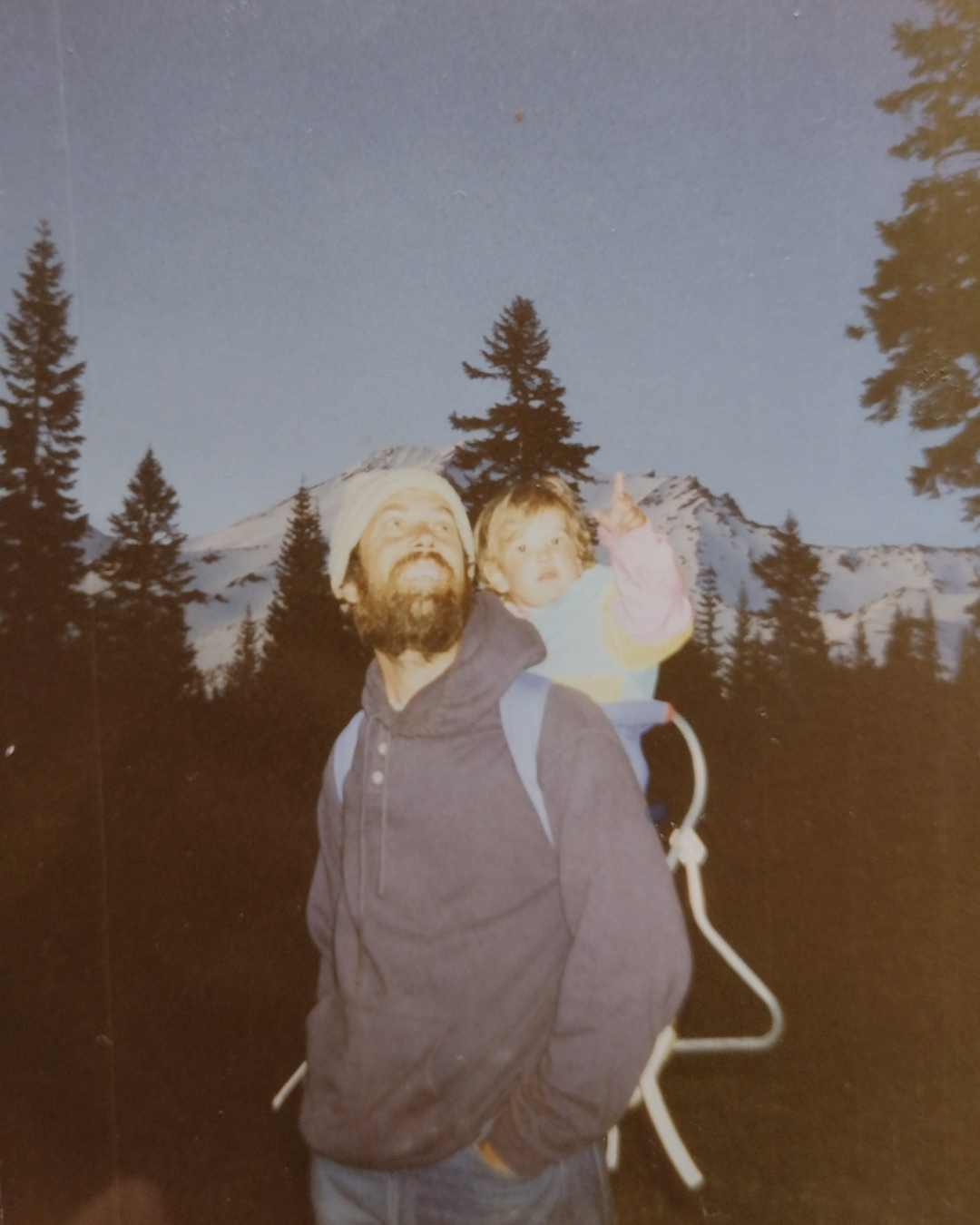
I've always been a sensitive person. Maybe it's being a double Pisces, sun and moon both in the twelfth house. Maybe it's an INFP thing. Maybe it's the ADHD, which turns up the amygdala's gain on emotional stimuli at a hardware level. Or maybe it's the fact that home life was chaotic growing up, which calibrated my developing nervous system toward hypervigilance.
How is Pantarei different from other types of bodywork?
Most bodywork sits somewhere on a spectrum between the purely physical and the purely energetic. Massage works with muscle and tissue, with the practitioner directing the session toward specific physical outcomes. Energy-based modalities like reiki work with the body's field without direct structural manipulation. Talk-based therapy works entirely through language. Pantarei works across both registers, treating language and physical sensation as continuous rather than separate.

Client Story: I Would Have Done It Anyway
In somatic work, we often begin by meeting the feeling that’s actually present, even when it contradicts what we think we should feel. During today’s session, my client felt disgust when describing how he’d received an award for his teaching. Most people expect recognition to bring joy or pride, but for him, praise triggered an old, familiar voice of inadequacy.
Somatic Sessions: The Practice of Turning Toward
Having woken up early, my eyes are still groggy with sleep. I wear my stiff green work polo and formal skirt as I climb across the slim mattress in my spare bedroom and I try to arrange the pillows so I have back and neck support during the video call. I search for something to prop up my computer, finally settling on a suitcase, and I open a test browser on my Zoom screen. “O.K. you can see my head and my chest. I think I’m ready.”

Inattentive ADHD and the Impact of Somatic Work
The sky has gone dark, and headlights are dancing on the window panes. A web browser is pulled up on my computer screen open to my favorite artificial intelligence, and in the submission box I’ve asked, “Can ADHD make you feel exhausted?” On the left-hand side of the browser you can see my past searches: “struggling with ADHD when alone”, “ADHD paralysis”, “ADHD and isolation fatigue.”
Why Use Touch in Somatic Sessions?
My Pantarei Approach teacher said something that always stuck with me. She said, when you touch someone, you help them to feel themselves more fully. When you touch someone’s hand or shoulder, your attention is immediately pulled into this part of their body. I’d like to extend this to say that when you touch yourself, place a hand on your heart, your knee, your arm, it also helps you to direct your awareness towards that part of yourself and to feel it more fully.
The Importance of Cultivating Interoceptive Awareness
Yesterday, the moment I placed my hands on my client’s chest, I felt a wave of grief move through my own body—not my grief, but hers. I sometimes shy away from talking about my sensitivity or what it’s like when I’m working with a client as a somatic practitioner because I fear someone will think I’m crazy, or even worse, that it is true and I am crazy.